What a community becomes when it keeps its bookshops alive
Notes from two Normandy villages and the bookshops that made me fall in love with them

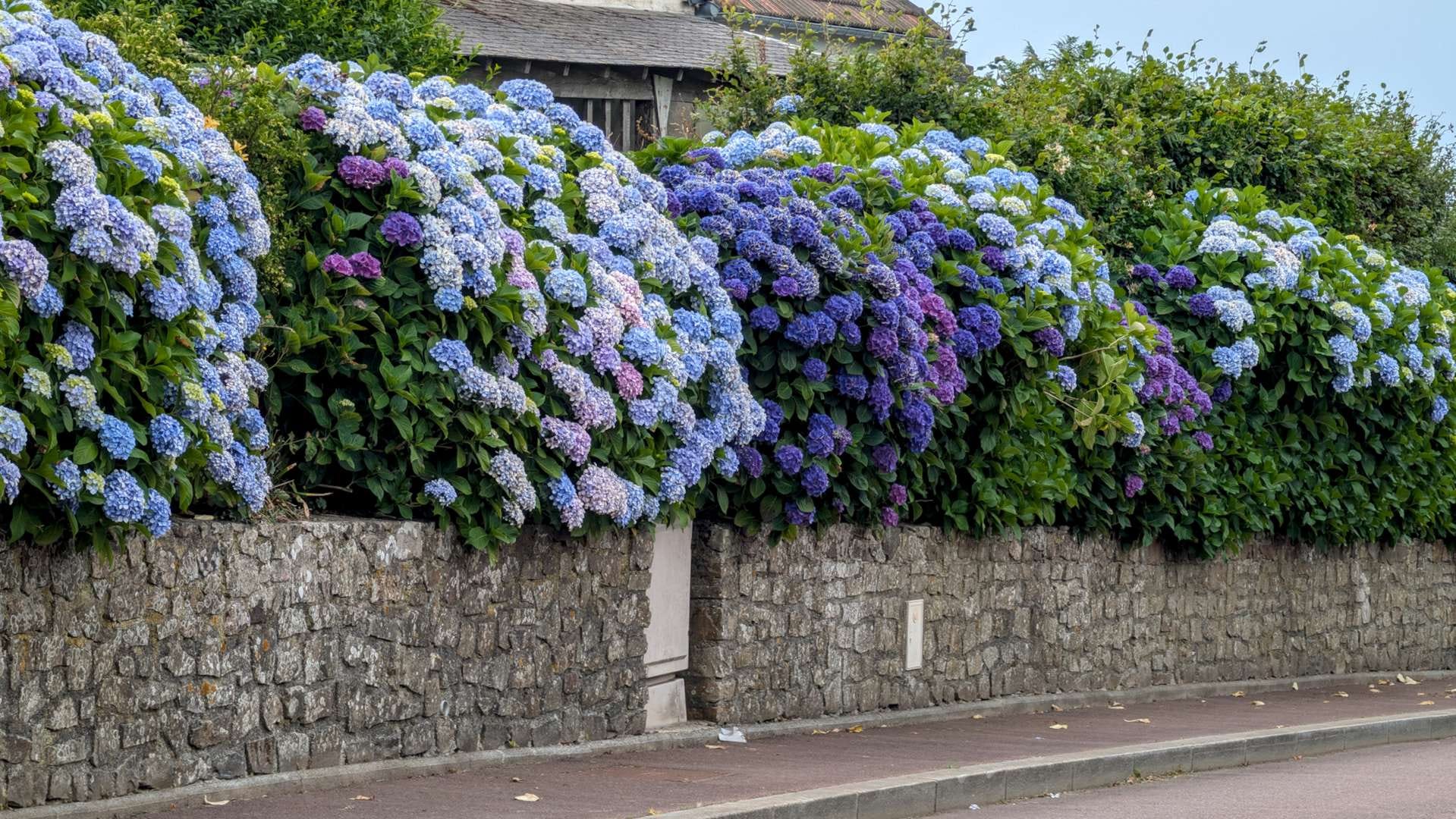
A week later, and I still haven’t recovered from the bookshops. Not the cows grazing against the seafront, not the fromage blanc they give, not the hydrangeas spilling over every courtyard, not the oysters at Saint-Vaast. It’s the bookshops I keep turning over.
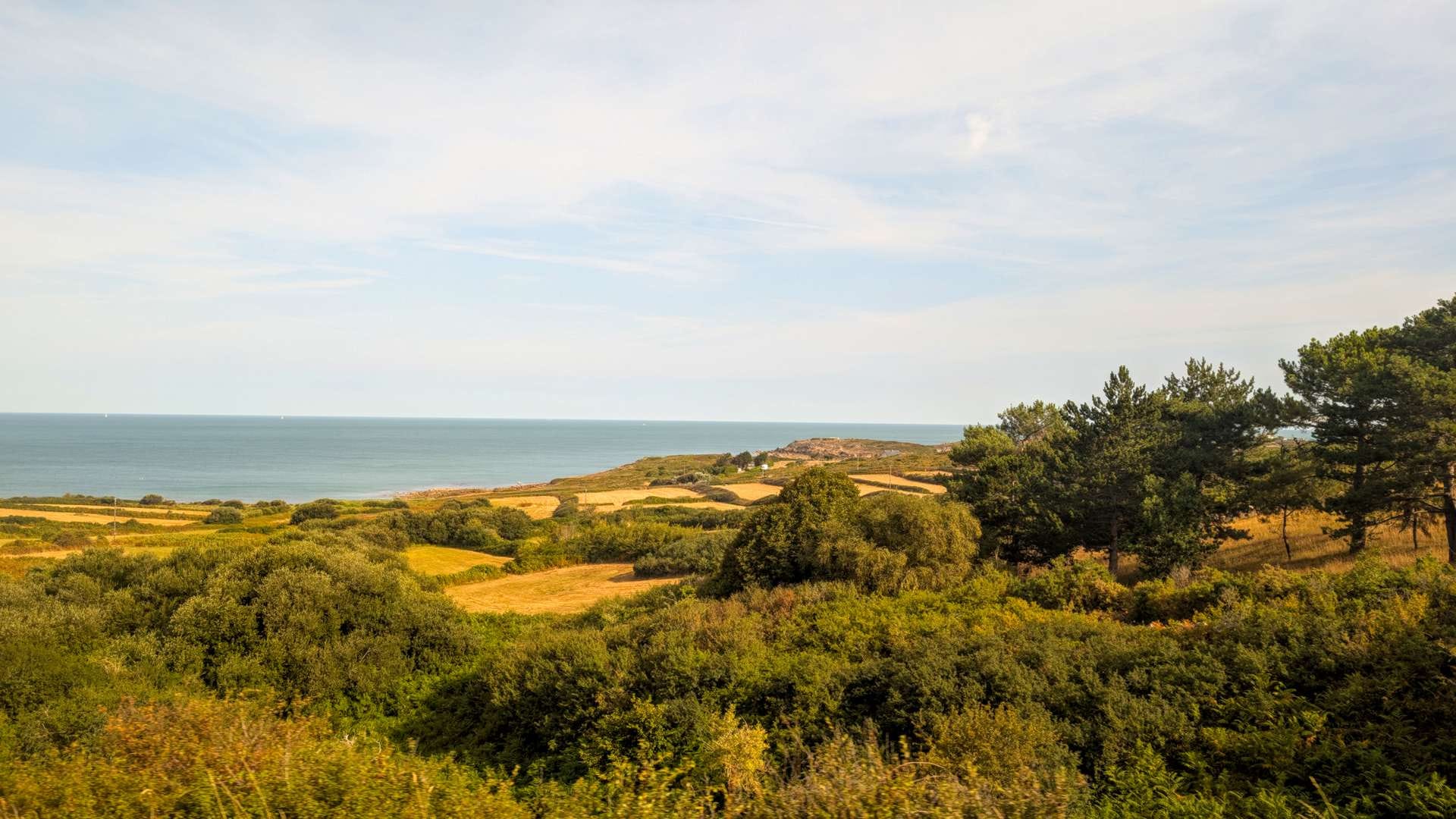
I couldn’t tell you why my summer escape from Paris took me back to Cherbourg, except that I had this inexplicable feeling that returning would be just the thing I needed. This coastal city on the Cotentin peninsula was where I used to escape the Parisian heatwaves, back when I lived in a matchbox studio under the tin roofs of the city. The weather here runs a good ten degrees cooler than the capital in summer. But this time I had two avid explorers as travel companions, and instead of staying in the city, we took the local buses out into the countryside, to see how life unfolds there.
I come from a small provincial town lost between the Transylvanian hills. In my childhood, there were two bookshops in town, and they kept all of their books on display behind a counter, so you could never actually browse as you walked in. You were compelled to ask for something specific, or, if you were truly adventurous, to ask for advice and dare to disturb the afternoon nap of the shopkeeper. By the time I went to high school, both bookshops had closed, replaced by a minuscule stand in the town square, half the size of the news stand. That one is gone today too.
This is a town of 31 000 people, with more wedding dress boutiques and pawn shops than you can imagine, several banks, an ever-growing taxi community and oh, so many slot machines. There are also four middle schools and three high schools, yet there weren’t enough voices among the 31 000 souls living there to be heard about the importance of a bookshop in town.
Last summer, as I was reading Alba Donati’s Diary of a Tuscan Bookshop, I couldn’t believe that in a village of less than 200 souls, a bookshop could find not only financial stability, but a real community of readers. I knew her story was true, but I think somewhere in the back of my mind, I still believed the whole thing was rather romanticised for marketing.
Eleven months later, I was standing in the village square at Beaumont Hague.
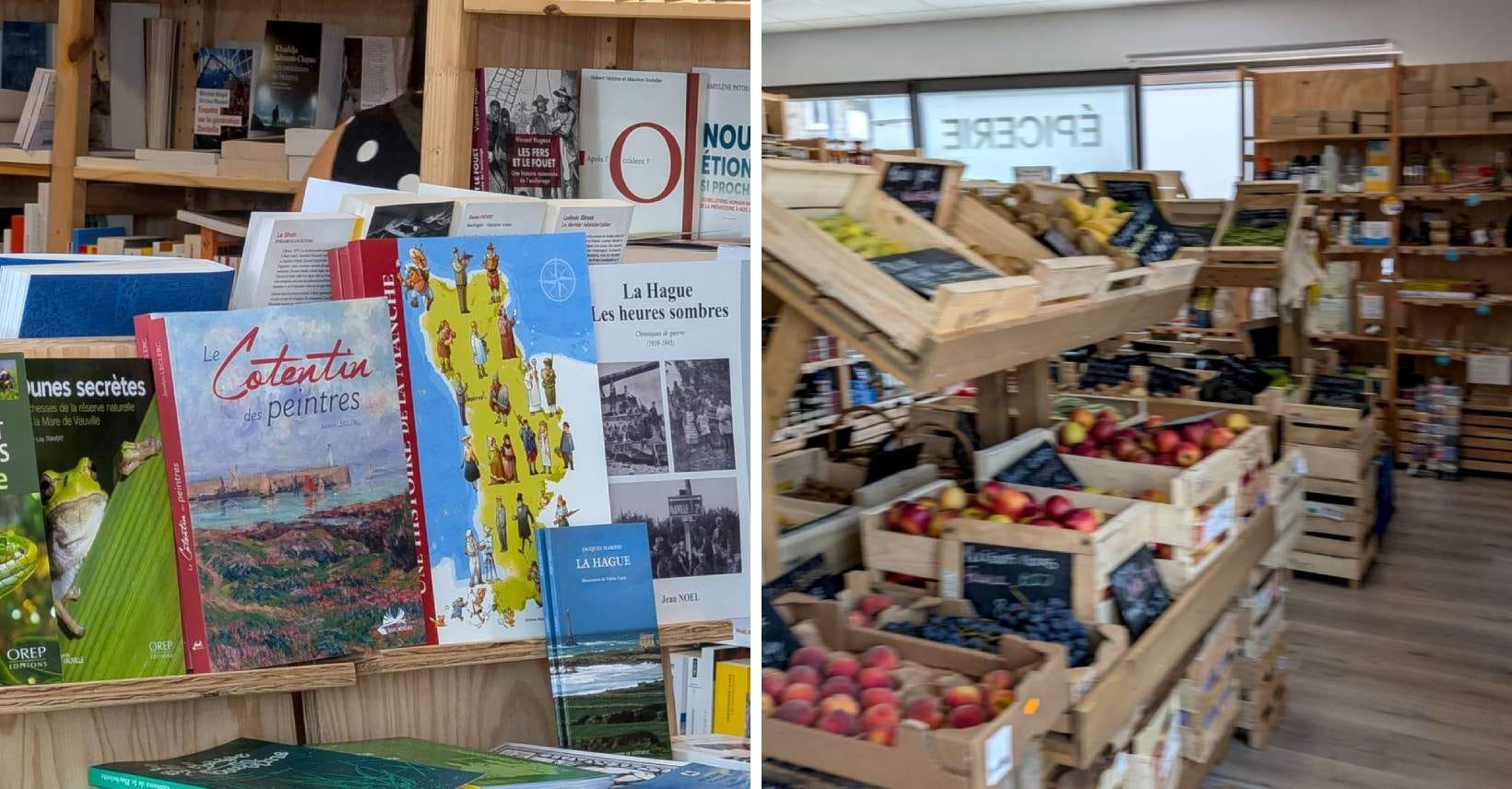
Population 1 548, one pre-school, one elementary school and one middle school. And smack in the middle of that square, you’ll find Epicerie Les Buissonnières & Librairie Rayons. Walk in, and an organic deli selling the produce of local farmers sits on your right, an independent bookshop on your left, everything from the latest literary releases to cookbooks, a travel section and, most precious of all, a whole shelf of books on the Cotentin itself. Who would have thought to combine turnips and The Eloquence of the Sardine, to name just one of the titles that came home with me that day. What does this say about the people living there, between coastline and endless fields of grass, waking up and winding down with the sun, yet somehow finding not only the time but the pleasure of a book so essential to their wellbeing that they're keeping this bookshop alive.
The following day, on another bus ride in the opposite direction, I found myself in Saint-Vaast-la-Hougue. Population 1 648, one elementary school, one middle school and one professional high school that specialises in maritime culture. The surprise was even more intense here, as I walked into the twenty-third edition of the literary festival Ancres & Encres, a yearly meeting between writers and readers who love stories about the sea and the Cotentin. It was the second day, and there was a full house inside the white tent overlooking the island of Tatihou. Roaming the village streets that calm Sunday afternoon, one bookshop and four art galleries challenged every idea I had about rural life in France.
Both afternoons left me circling the same question. The conversation about independent bookshops keeps focusing lately on the economic side of things, the small keepers of the community against the big bad amazonian wolf out for everyone’s money. But there’s something subtler in that debate, I think. Is our society still in agreement that reading is fundamental to the life of a community? Do we still understand that, no matter our setting or occupation, there is something of value waiting inside a book for everyone? Or are we treating publishing simply as an industry, another choice of entertainment besides Netflix or video games?
Normandy’s rural life has been a lesson and something of an inspiration. You could say I’m biased, or that I only see what suits my own interests, but I can’t help thinking that the gentleness I noticed in people’s eyes, in the way a simple conversation kept moving toward a bigger idea, wasn’t a coincidence. It’s what happens when people’s values align, when their lives are spent with a higher purpose than a profit margin or a real-estate portfolio. Beaumont Hague and Saint-Vaast-la-Hougue never struck me as places running a business, they read more like places keeping a conversation alive. This is what a community supported by books can become.