What the Tastebuds Know First
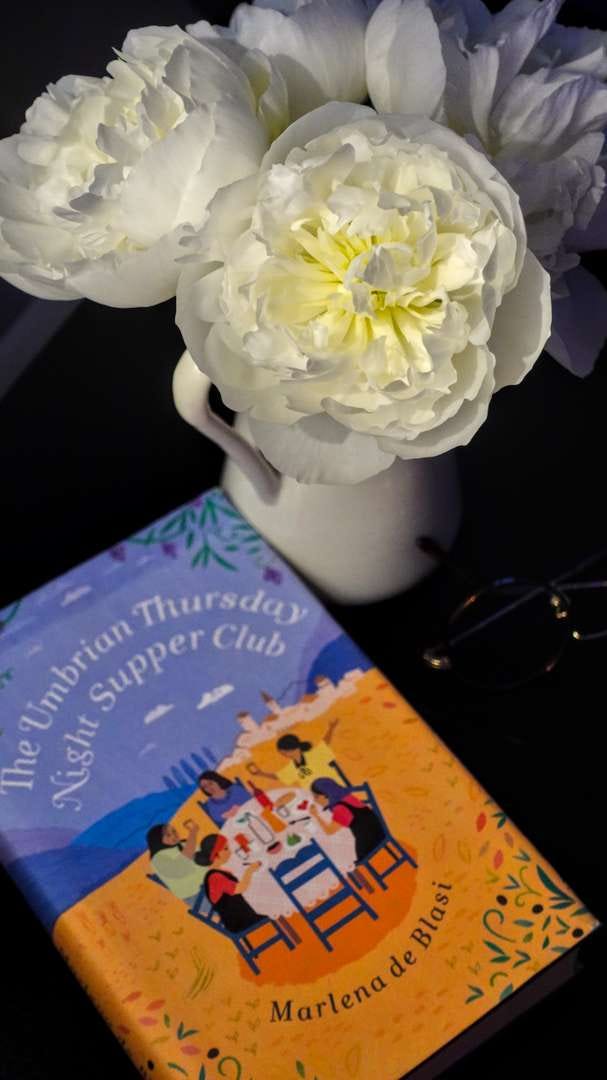
Reading Marlena de Blasi's "The Umbrian Thursday Night Supper Club"

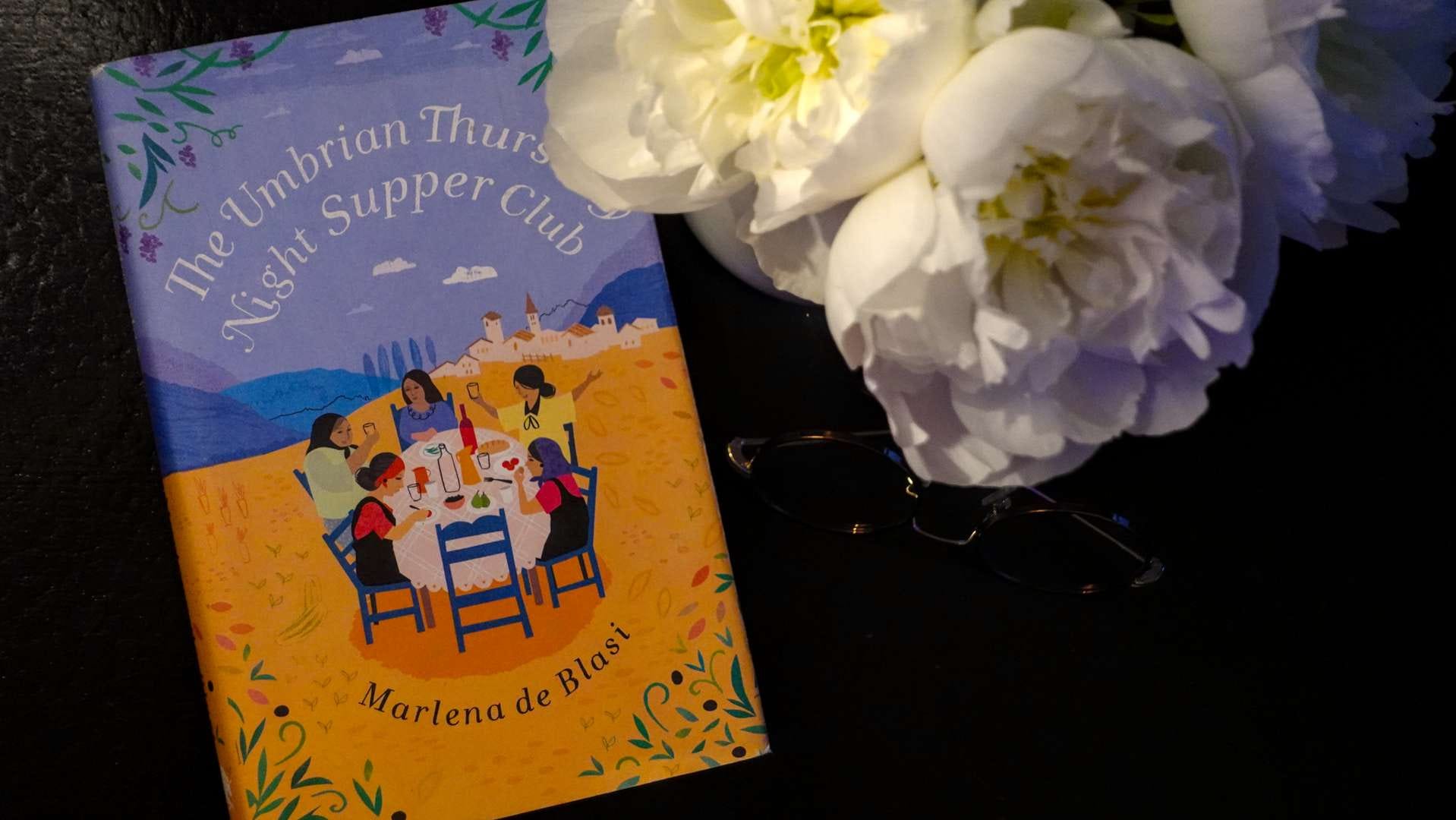
“A good supper...restores to us the small delights that the day ransacks. Through crisis and catastrophe, and rare moments of uninterrupted joy, it’s the round, clean and imperishable wisdom that sustains them: cook well, eat well and talk well with people who are significant to your life.”
― Marlena de Blasi, The Umbrian Thursday Night Supper Club
I spent last weekend in the heart of Burgundy, meeting new friends and discovering new horizons. The kind of weekend that arrives unannounced and leaves you slightly rearranged.
At some point during the first evening, I made a confession that required a certain trust in my hosts: I had never tasted a Burgundy red that truly blew my mind. I had tried, I had appreciated, I had nodded in the appropriate places. But the great revelation people speak of, that particular silence a wine can impose on a room, had eluded me. My new friends received this admission with neither horror nor pity. They simply became my guides. The best kind: unhurried, generous, quietly delighted to have a first crush on their hands.
What followed was a proper initiation.
The wine was the surprise that accompanied an old favourite: Époisses, that glorious, washed-rind scandal of a cheese that smells of the barn and tastes of something you can’t quite name but immediately want more of. The combination of the two was, and I use this word with full awareness of its weight, religious. Something happened at the level of the tastebuds that simply could not be argued with. No preamble, no context, no critical framework required. Just the immediate, whole-body knowledge that this was extraordinary.
And here is where I must acknowledge the irony.
I am now writing an article about an experience that defeated language in the moment it happened. Make of that what you will.
But I think this is actually the thing worth examining. We live, many of us, at a slight remove from our own senses. Not because we don’t appreciate beauty, but because the appreciating mind arrives so quickly, so eager to be useful, so ready to translate sensation into thought. I do this constantly. It’s half of what this platform is built on. And yet there are moments, rare and therefore precious, when the body simply outpaces the brain. When the pleasure lands before the words do. When you are, for one unguarded second, only tasting, only feeling, with no part of you standing slightly to the side taking notes.
That second, I’d argue, is the whole point.
Marlena de Blasi calls it imperishable wisdom: cook well, eat well, talk well with people who are significant to your life. What I love about her formulation is its confidence. Not cook interestingly, not eat mindfully, not have meaningful conversations. Just: well. The old-fashioned, unpretentious, entirely sufficient standard of doing something with care and with pleasure and with the right people around you.
The talking, in her sequence, comes last. And I think that’s right. Because what happened in Burgundy that evening, the conversation that unfolded after the wine and the cheese had done their work, felt different from ordinary conversation. Looser. More honest. The kind where you say things you didn’t know you were going to say, because something has already happened that made it safe to. The meal prepared the ground. The words grew there afterward, almost by themselves.
I can’t write you the taste of that Époisses paired with a glass of Burgundy that finally made sense to me. No one can. This is the one place where the essay form simply shrugs and steps aside. But I can tell you that the experience confirmed something I keep learning and keep forgetting: that the senses are not the lesser cousins of the intellect. They are, sometimes, its wisest elders. They know things first. They know things directly. And they have the considerable advantage of never needing to explain themselves.
Cook well, eat well, talk well. In that order, for good reason.
The rest, as they say, is literature.